

How can CEOs use AI and Leadership to improve Crisis Communications in 2026?
[Author’s Note]
When crisis hits hard, no playbook is ever enough. What makes or breaks your brand? The ability to respond well in a timely manner, and not just react according to the timeline of events. The CEO is either the reputation risk or the remedy.
Real Talk: What Chocolate Finance just proved
When the Chocolate Finance scandal exploded across Singapore, the brand could’ve ghosted the public, buried their channels, or played the silent game. Instead, the CEO stepped in front of the story.
Within 12 hours, a deeply personal, direct, and emotionally intelligent statement went live. No jargon. No PR-filler. Just clarity, accountability, and leadership.
This wasn’t just “good PR”. It was a textbook example of high-optics brand trust in real time, and it earned Chocolate Finance what no ad spend could buy: public’s forgiveness.

🧯 The Crisis Comms most Brands still don’t prepare for
Despite countless scandals, whistleblowing incidents and silly top-level executives being caught by viral social media attention, most companies still treat crisis comms as a box-ticking exercise or a yearly dry-run rehearsal:
- “Crisis Communications Team & Roles”
- “Crisis Comms and Enterprise Risk Management Escalation Pathways”
- “Issue holding statements with some PR-ready templates.”
- “Draft media Q&A.”
- “Prep a post-mortem report.”
But in high-stakes moments, what you actually need is:
- Founder or C-suite visibility
- Real-time listening and response
- Cross-platform monitoring
- A trusted AI assistant to reduce time-to-action

My Real-Life Crisis Comms Anecdote
I was once caught in a live comms disaster before AI tools were mainstream, and let me tell you, it was brutal.
We had to manually split the work and scan several social media platforms, Reddit threads, forums, news outlets, anonymous chat boards, and more. Misinformation flew super fast. Netizens blamed the government. Conspiracy theories multiplied. Trolls hijacked the narrative. Even foreign press picked up some distorted versions.
And we had no ChatGPT, no agent-based web scrapers, no real-time dashboards. Just able bodies, brains, fastest fingers and browser tabs.
I could vaguely remember being dragged into quick huddles to round up involved parties. Some of us suffered eye strains and shoulder aches because it was pure manual computer work updates across MS Office applications on slow processing laptops.
That’s when I realised: Crisis Comms isn’t just an entire organisation‘s public relations and media issue — it’s a systems issue.
Enter the AI Brain: Crisis Comms for the Next Era
What if you didn’t need 5 people and 48 hours to run a crisis post-mortem?
What if one AI brain could:
- Monitor sentiment across 100+ platforms
- Trigger alerts for keyword clusters or volume spikes
- Draft responses in brand tone for 5+ stakeholders
- Scrape Reddit, Telegram, TikTok, forums, blogs at every interval
- Identify misinformation nodes and neutralise early
This isn’t theory.
It’s what top agencies are building right now. Replacing bloated SaaS stacks with AI-ready comms systems in 2–4 weeks for $20k+. These setups unify data, automate workflows, and drastically cut response time in a crisis.
The Problem with Most SaaS-Stacked Teams Today
- 10 – 20 siloed tools
- Slack, Notion, Brandwatch, Meltwater, Sprinklr, ChatGPT, Midjourney, Airtable…
- None talk to each other. Data is constantly living in fragments.
Result: You lose time and clarity, and burn credibility.
This is the crisis within crisis comms itself, where the SaaS sprawl that stops teams from seeing what’s happening now.
The Modern Crisis Stack
When tools + silence = crisis, modern comms needs tools + transparency + speed. Here are detailed, fact‑checked real‑world examples and architectural use cases for what a modern crisis stack actually looks like.
Viral Example: Astronomer’s “Coldplay Kiss‑Cam” Comeback
Better-late-than-never-Comeback, right.

- What went wrong: Astronomer’s CEO and Head of HR were caught in a “kiss cam” moment at a Coldplay concert. Video went viral, social media blew up. There was a delay in official response.
- What they almost didn’t do right by:
- Created quite a clever (a given thing), humour‑infused ad campaign (via Maximum Effort, actor Gwyneth Paltrow) that subtly referenced the situation without making it the focus.
- My personal thought on this: My take? It was quite clever but not necessarily strategic.
- The response from Astronomer leaned heavily on a celebrity-powered marketing pivot featuring Gwyneth Paltrow. Let’s be honest — played well because of her existing influence and massive reach. But from a crisis communications standpoint, it lacked the deeper discipline of reputational strategy, stakeholder sentiment tracking, and internal narrative repair.
- It’s a shiny fix with deep pockets.
- But what about the 99% of companies without that kind of budget, brand equity, or celebrity fallback?
- How do they rebuild trust when a viral moment turns sour?
- That’s where founder presence, AI-assisted response systems, and earned credibility still outperform paid gloss.
- Shifted narrative back to their core services: data workflow automation.
- Leadership accountability: investigation, resignations, new CEO presence.
- Created quite a clever (a given thing), humour‑infused ad campaign (via Maximum Effort, actor Gwyneth Paltrow) that subtly referenced the situation without making it the focus.
- Takeaway: A high‑optics failure can become an opportunity, but only with strategic narrative pivot + committed leadership + agile public messaging.
Tool Quadrants & Use‑Case Examples
To build a stack that can support responses like Astronomer’s and protect you when things go sideways, you need tools in several categories. Here are examples + verified data from recent case studies, plus what works at solopreneur vs enterprise level.
| Tool Type | Solopreneur / Lean Use Case | Enterprise Use Case | Verified Examples / Data |
|---|---|---|---|
| Real‑Time Monitoring & Alerting | Use web scraping + RSS + Slack + Make.com flows to collect mentions of brand, relevant keywords (e.g. crises, complaints) across Reddit, Twitter/X, forums. Alerts trigger threshold triggers (volume surge). | Use enterprise‑grade platform like Dataminr Pulse to monitor news, social, risk events in real time; integrate with internal comms dashboards + ticketing. | Dataminr is used widely by corporations for event & risk detection across large datasets. |
| Sentiment & Context Summarisation | Use GPT/Claude prompts or AI assistants to summarise comment threads hourly (e.g. summarizing top concerns, tweets, post impressions) so humans can decide tone. | Use social listening platforms (Brandwatch, Sprinklr) + internal summarisation agents; feed into dashboards that show sentiment over time, rising themes, misinformation nodes. | Talkwalker’s 2024 report on social media crises shows companies that responded to sentiment spikes earlier cut damage by >30%. |
| Comms Templates / Rapid Response Banks | Pre-build “scenario + tone” response templates for common incidents: apology, update, clarification, mistake acknowledgment. AI assist to fill in blanks. | Press kit templates, legal‑vetted messaging frameworks, stakeholder‑specific statements; integrated into tools like Email, internal comms, website ready to publish. | Prowly’s comparisons of crisis tools highlight that organisations with pre‑approved response banks respond visibly ~2x faster. |
| Dashboard & Visualisation | Use simple dashboards built with Notion, Google Data Studio, or Power BI that pull in sentiment, mentions, high volume terms. | Stand‑alone crisis dashboards integrating data from social listening, internal feedback, customer support queues, executive oversight widgets. | The “Visualisation Design Practices in a Crisis” (COVID‑19 dashboards) research shows dashboards help align public perception vs official data. |
| Incident Escalation & Collaboration | Shared Slack channels, shared Google Docs, simple workflow that escalates issues: comms → legal → CEO if required. | Incident management platforms with roles and alerts (e.g. OnPage for operational alerts, ServiceNow for incident tracking, dedicated crisis ops teams). | OnPage used in IT/health/critical sectors for alerting and escalation. |
| Public Narrative Shift Tools | When people are talking, you might deploy content that reframes a narrative (video, social posts) quickly. AI tools can assist scripting. | Full‑scale public push: ads, influencer or star partnerships (e.g. Astronomer’s Maximum Effort campaign), video spots that address incident indirectly but reinforce identity. | Astronomer example. |
Verified Features & Tool Examples
From the tool reports and comparisons:
- ContactMonkey lists communication tools that help internal transparency and push notifications to staff during emergencies.
- Marketful and InfluencerMarketingHub provide lists of crisis‑management software that include dashboards, incident escalation, situational awareness tools.
- Tools like X Pro (formerly TweetDeck) remain relevant for tracking brand mentions, replies, and early signals on platform level.
- Dataminr is verified for real-time event/risk detection and is used in high-profile company boards for security, public safety, and brand risk monitoring.
Use Case Example Workflows
Here are two realistic workflows you can adopt (lean vs enterprise) that combine these tools:
Workflow A: Enterprise & SaaS Organisation
- Pre‑crisis setup: have a crisis communication plan, pre‑approved messaging templates, assign roles (Legal, HR, CEO Comms). Set up tools: Sprinklr / Brandwatch, Dataminr, OnPage for escalation, internal dashboard for sentiment + support ticket alignment.
- Trigger phase: Viral incident or public mention → alert goes to crisis room. CEO vs comms lead vs legal activated. Social listening tools collect data. AI summariser (via Claude / custom LLM) pulls top issues, misinfo clusters.
- Response phase: Public statement + video or influencer content (if needed) like Astronomer did. Simultaneously communicate internally (employee message) and external stakeholders (investors and customers). Use dashboards to monitor how narrative shifts.
- Recovery and measurement: Track brand sentiment metrics, media coverage, social share of voice, customer trust surveys. After incident lull, produce content that reinforces values + product story.
Workflow B: Solopreneur / Lean B2B (1 ‑ 5 person Comms team)
- Setup keyword + brand alert system using Make.com + Github scraping + Reddit + Twitter via APIs.
- Every alert above threshold (e.g., 50 mentions per hour) sends notification to Slack + triggers AI assistant to summarise “top 3 complaints / rumours / positive messaging.”
- Use pre‑built response bank (tone‑locked) to draft social media responses; founder approves or edits.
- Monitor via minimal dashboard (Notion or Data Studio) for volume, sentiment drift.
- After 24 hours, if narrative still trending negative, launch narrative shift content (e.g., blog post, video, founder message) possibly framed with humour or authenticity.
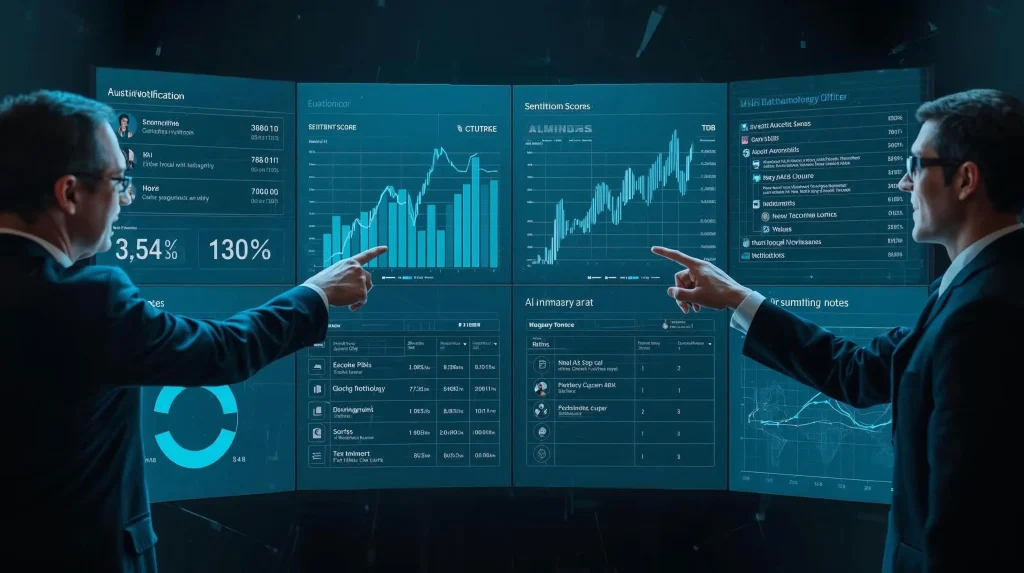
Why this Deep Stack matters more than ever
- Astronomer case shows delay costs: the time they remained silent let rumors grow. When they responded with narrative control, trust began to return.
- Social listening + sentiment dashboards help avoid being reactive; they let teams “see crises forming” (brands that monitor actively recover faster in reputation tracking reports).
- Having a response bank + founder visibility allows you to respond with emotional intelligence, not just legal or corporate speak.
Crisis Comms in 2026: It’s not just about Speed when it’s all about Comms, Systems, Security, and CEO-led Strategy
We’ve said it before: when a crisis hits, your response plan should be more than just a playbook. It should feel like a rehearsed reflex, smooth, coordinated, accountable, and secure. Not a panicked scramble.
Here’s what every modern crisis comms blueprint needs to include, especially when digital backlash can snowball in seconds, and reputational damage hits harder than downtime.
1. Appoint your A-Team (not just the Comms Intern/s)
A real crisis comms plan starts before the headlines break.
You need a cross-functional response team with defined roles. Yes, the CEO and CISO must be at the table, not just the Comms teams. Always include legal, IT, HR, and your trusted PR advisors.
Each person should know:
- What they’re responsible for
- Who they report to
- What tools to use
- How to activate their part of the response plan fast
Why it matters: In the first 72 hours post-crisis, missteps or silence from the wrong spokesperson can make things worse. Decision-making must be centralised and visibility must be owned.
2. Map Out Escalation Paths & Communication Trees
When things go sideways, who talks to who and how it must already be defined.
This means:
- A secure communication tree: who’s notified first, who leads what, who informs internal / external audiences
- Clear escalation paths: what qualifies as “elevate to CEO,” what triggers legal review, what gets pushed to the public
Think of it like fire evacuation. You don’t invent your escape plan while the building’s burning. You walk the route in drills 2 – 4 times a year.
3. Use Encrypted and Zero-Trust Comms Tools (not WhatsApp)
Remember the March 2024 SignalGate incident where a U.S. cabinet chat added a journalist by mistake?
Exactly.
Consumer-grade messaging apps are not crisis tools. Even some enterprise platforms are weak under pressure.
Your plan must include:
- End-to-end encrypted messaging (for chat, calls, files)
- Role-based access controls (so no one can see what they shouldn’t)
- Zero-trust architecture (every access request gets verified)
- Fallback comms tools that work offline or when servers are down
LadyinTechverse insight: Ease of use matters; if it’s clunky, teams will default to “what’s fastest” and that opens up a shadow IT disaster.
4. Pre-Written and Pre-Approved Messaging Templates
Trust is built in real time, and lost even faster. That’s why your team must have ready-to-use messaging templates for different crisis types:
- Apology notes
- Service disruption statements
- Legal holding lines
- Internal updates for employees, stakeholders, partners, board members, investors
These should be approved in advance by legal, comms / PR, senior management, and the CEO, so no bottlenecks when it matters.
Add a CTA and next steps too, like helplines, portals, or timelines for updates. Don’t leave audiences guessing.
5. Simulate, Stress-Test, and Keep Evolving
You can’t say you have a crisis plan unless you’ve tested it under fire.
Just like fire drills, run simulations regularly:
- Rehearse response flows
- Test if messaging tools hold up
- Identify gaps (e.g., access issues, response lags, confusion)
- Check if staff know their roles
Every crisis is a chance to update the system. Debriefs should be mandatory. Analyse what worked, what failed, and what needs to go.
And store logs. You’ll need them for audits, regulators, and future improvements.

Common mistakes that still sink brands
Let’s keep it brutally honest. These are real issues I’ve seen, and in some cases, experienced.
Inadequate planning
If your comms team doesn’t know what to do during a live breach, that’s on leadership.
Don’t just write a plan. Train for it. Test it. Live it.
Using Unsecured Channels
One click can cause a leak. A forgotten group chat can become front-page news. Encrypted and secure-by-design platforms are non-negotiable.
Overcomplicated Systems
If it takes five steps to send a message, your team won’t use it.
Keep tools simple, intuitive, and battle-tested. If not, people will default to unsafe workarounds.
No Debrief After Crisis
After-action analysis isn’t optional. It’s the only way to build resilience.
Your messaging tools should also keep detailed logs like being encrypted, exportable, and compliant.
LadyinTechverse Crisis Comms Audit (Mini-Checklist)
Want to see if your current crisis plan’s got legs?
Tick these off:
- Response team roles defined and rehearsed
- Escalation paths documented
- Secure, encrypted messaging tools in place
- Fallback channels ready and tested
- Templates written, approved, and easily accessed
- Regular simulation schedule in place
- Aligned with latest regs (e.g., PDPA, SOC 2, etc.)

For Enterprises:
- Live dashboards built with secure data connectors
- Agent orchestration for live response simulations
- LLM-powered press kits in <10 minutes
- Internal comms triage integrated with HR + Legal + IT
For Solopreneurs / Lean B2B Teams:
- Notion AI for internal prep and stakeholder docs
- Make.com / n8n.io + Slack for real-time triggers
- Scraper agents built on GPTs or Claude for platform surveillance
- Brand AI response bank: tone-locked responses by scenario
Founder-Led or Founder-Hiding?
The hard truth?
When CEOs don’t speak during a crisis, they become the story.
But when they do, and when supported by trusted systems, well-trained AI tools, and a strategic comms team, they can lead their brand through fire and emerge stronger.
Final Thoughts from LadyinTechverse
Crisis Comms is no longer just about reacting. It’s about orchestrating.
And that means integrating AI, human strategy, and founder voice into one decisive, agile, and secure system that knows when to speak and how to learn.
Because in the age of real-time digital judgment, a 2-hour silence costs more than a 2-week campaign.
AI tools, dashboards, and automated alerts can do a lot, but a modern crisis plan is human-first, and AI-augmented.
And at the heart of it is where a CEO who shows up, and not one who hides behind a PR wall.
A comms team trained to think like incident responders, and not just storytellers or even worse, spin doctors.
Be equipped with a tech stack that lets you move fast — securely, clearly, and with credibility intact because in the digital age, your first 72 hours don’t just protect your brand; they define it.
Sources Referenced:
- Marketing-Interactive: Chocolate Finance CEO on Crisis Comms
- YouTube: The Death of SaaS — The Rise of the AI Brain
- LadyinTechverse: Increase Profits with GPT Agents
- LadyinTechverse: Beyond the Prompt
Frequently Asked Questions (FAQ)
Internal Articles
- Why Digital Communication Needs A Makeover In 2025
- The MarTech Wake-Up Call: Why Marketing Needs Fewer Tools and Clearer Strategy in 2026
- The B2B Reset: Why 2025 belongs to Strategic Thinkers, Lean Tech, and Transparent AI
- Increase Profits With AI GPT Agents
- The AI Productivity Paradox 2025
- Data Quality is the Power Move behind every winning AI Strategy in 2025
- Beyond The Prompt: What Generative AI Really Means For Your Business
Visual Content Disclaimer: All images in this post are AI-generated.
How can CEOs use AI and Leadership to improve Crisis Communications in 2026?
#LadyinTechverse #DigitalTransformation #CrisisComms #CrisisCommunications #ReputationRiskManagement #EnterpriseRiskManagement #AIinComms #AITransformation #DigitalSanctuary


Leave a Reply