
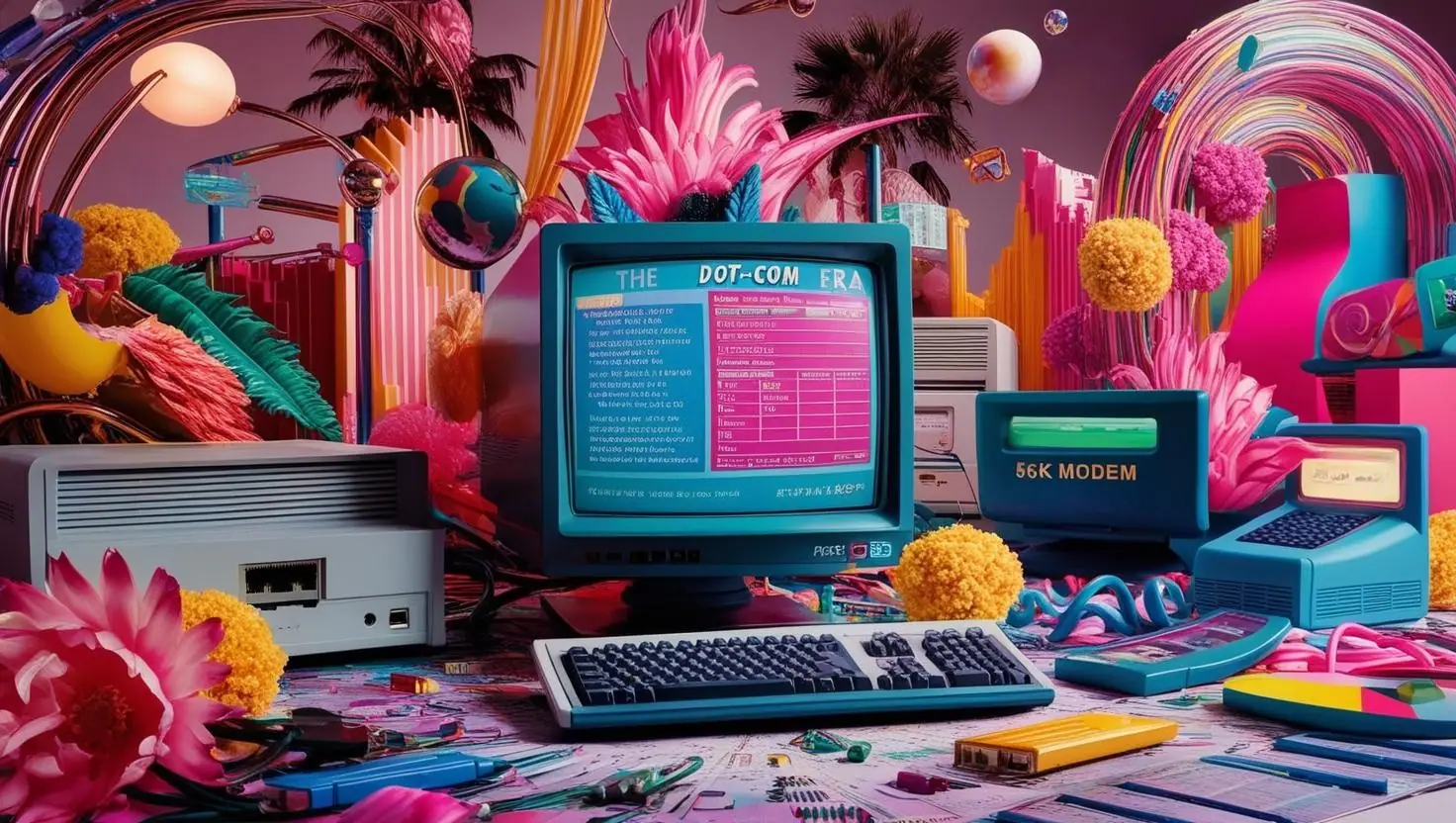
From Dot Com Bubble to AI Revolution (1996-present)
Singapore’s Digital Evolution: A Personal Journey From Dot Com to AI Revolution
[Author’s Note]
As the founder of LadyinTechverse, my journey through Singapore’s tech landscape has been both personal and professional. From crafting and developing HTML websites, Flash animations in the 2000s to navigating today’s AI revolution, I’ve experienced firsthand with how our nation has transformed into a global tech hub.
The Global Digital Gold Rush (Dot Com Bubble) and Singapore’s Strategic Digital Evolution Response
When the World Wide Web first emerged in the late 1990s, Singapore was already positioning itself as Asia’s digital hub. The island nation’s transformation from a modest trading port to a global technology powerhouse is a testament to its forward-thinking approach to digital innovation and technological advancement.
Also, when the NASDAQ Composite Index soared 400% between 1995 and 2000, it marked humanity’s first major digital gold rush. While global markets witnessed US$6.6 trillion in value creation (and subsequent US$5 trillion loss), Singapore chose a measured path (Source: NASDAQ Historical Data).
Singapore’s Strategic Foundation (1992-2000):
- “IT2000” masterplan launch
- SGNIC establishment
- Singapore ONE broadband network
- S$1 billion Technopreneurship Investment Fund
(Source: National Archives of Singapore)

The Evolution of Digital Identity
The dot com era initially defined Internet success, but Singapore’s digital landscape tells a more nuanced story. The top level domains (TLDs) have established themselves, reflecting the evolution of the Internet’s naming system.
Global Domain Trends (2023):
- Traditional .com usage dropped to 42% among tech startups
- Over 1,589 TLDs now available globally
- Rise of industry-specific domains (.ai, .io, .dev)
(Source: Y Combinator Domain Analysis 2023)
Singapore’s Digital Domain Evolution:
- 1995: Under 1,000 .sg registrations
- 2023: Over 180,000 .sg domains
- Growing adoption of new TLDs
(Source: SGNIC Annual Reports)
The Creative Technology Renaissance
The early 2000s marked a pivotal moment in Singapore’s digital journey, as broadband Internet penetrated households across the island, ushering in a new creative renaissance.
As a Digital Creative during this transformative period, I witnessed firsthand how Web 2.0 revolutionised Singapore’s creative technology landscape. Working across the spectrum — from ambitious startups to established brands — I experienced the pivotal shift in our creative tech industry. Flash technology emerged as the defining platform of the era, revolutionising digital aesthetics and enabling unprecedented forms of interactive storytelling. This period marked a significant milestone in Singapore’s journey towards becoming a digital creative hub.

Several creative boutique studios were found sprawling across Raffles Place and Tanjong Pagar area, which were buzzing with creative energy as we pushed the boundaries of what was possible with HTML and Flash technology. The technical challenges were formidable; we grappled with the complexities of merging HTML and Flash while ensuring compatibility with the now-defunct Internet Explorer — the dominant browser before Google Chrome’s advent 🙄. Despite these challenges, we crafted interactive websites and immersive digital experiences that transformed how major brands connected with their audiences.

This period perfectly exemplifies Singapore’s digital evolution. From Flash 1.0’s global debut in 1996 to its peak usage in 2010, Singapore’s interactive agencies embraced this technology wholeheartedly. The impact was profound, spurring an interactive advertising boom, fostering the growth of digital creative agencies, and catalysing multimedia education programme across the island.
Through this creative technology renaissance, Singapore established itself as a digital hub, where technical limitations became stepping stones to innovation. As a woman in tech during this transformative era, I witnessed how creativity and technical expertise merged to shape the future of digital expression.
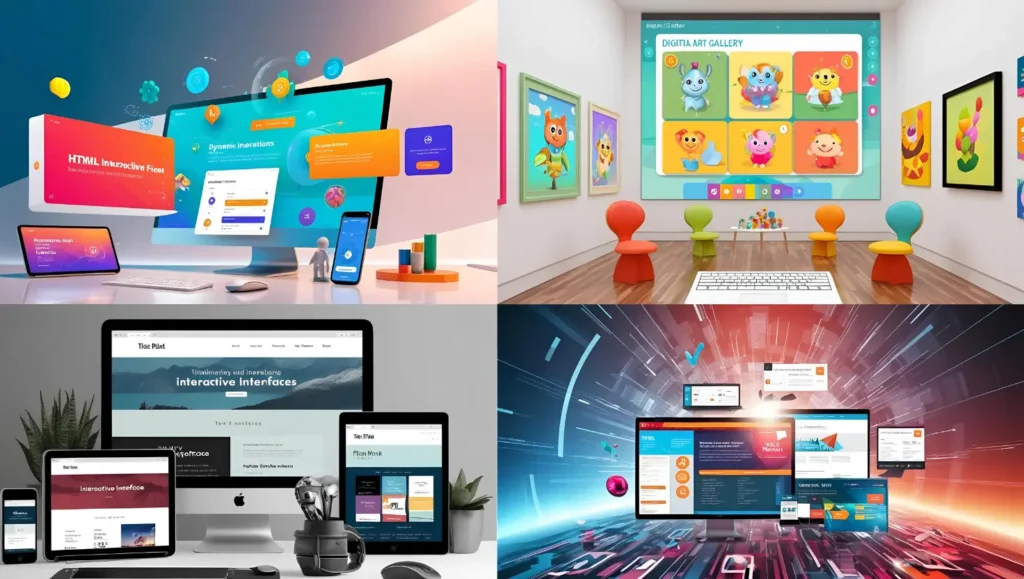
I remember the excitement of launching the first few full-Flash websites for prominent brands — it featured animated characters guiding users through product tutorials and financial services, complete with interactive user experiences and dynamic content. This was revolutionary for its time. The team would spend countless hours perfecting animations, frame by frame, ensuring smooth transitions and engaging user experiences, on top of standardising and fixing bugs for the now-defunct Internet Explorer browser — good riddance.
The creative technology scene was small but mighty. On some occasions, I found myself meeting other Flash and digital creators at central parts of Singapore, sharing our pain points, techniques and celebrating project launches and wins. Somehow, some of us seem to know each other because of occasional gatherings among the Flash developers and designers, and there was this incredible sense of being pioneers in Singapore’s digital creative landscape. Local interactive and multimedia agencies were competing with international firms, proving that Singapore could not only keep pace with global innovation but lead some parts of it.

The Evolution of Digital Creativity
Early Web Era (1995-2000):
- Static HTML websites dominated
- Basic animated GIFs emerged
- Limited interactivity
Flash Revolution (2000-2010):
- Interactive websites proliferated
- Rich media advertising emerged
- Digital animation courses launched at local institutions
Mobile Transformation (2010-2015):
- HTML5 replaced Flash
- Responsive design became standard
- Mobile-first approach adopted
The New Digital Frontier: Beyond Traditional Domains
Singapore’s tech ecosystem mirrors global trends in digital identity.
Current Landscape:
- Increased adoption of industry-specific TLDs
- Rise of .ai domains (13% global startup adoption)
- Focus on memorable, industry-relevant domains
(Source: Global Domain Registry Reports 2023)
This evolution reflects broader changes in Singapore’s digital identity:
- Shift from traditional to innovative digital presence
- Integration of AI-focused digital branding
- Enhanced regional digital leadership
The AI Boom: Learning from the Past, Building for the Future

I’ve been thinking about how the current AI boom is a bit like the dot com era, but with some key differences that make it much more stable. Back then, it was all about excitement without much substance, but now we’ve got solid digital infrastructure, a better regulatory framework, and businesses that actually know how to use data effectively.
They’re not just making plans; they’re backing them up with action. With a hefty S$25 billion investment in research and innovation (with AI being a major focus), they’re serious about staying ahead. They’re investing in skills development, pushing Smart Nation projects, and forming strategic international partnerships.
It’s impressive how they’re building such a strong tech ecosystem while others are still trying to figure things out.
The Future Digital Horizon: Pioneering the Next Tech Frontier
If anyone does, or even you – remember all that dot com madness back in the day? Well, they’ve clearly learnt from that whole mess, and they’re doing things differently now.
I was reading about their AI stuff the other day, and it’s impressive how they’re handling it. They’re not just jumping on the bandwagon like everyone else – they’re being really thoughtful about it, you know?
The cool thing is they’re getting into all sorts of cutting-edge stuff – quantum computing (which honestly makes my head spin), green tech (thank goodness someone’s thinking about that), and they’re sorting out how to make government services actually work online (about bloody time!).
It’s not like they’re trying to be the next Silicon Valley or anything – they’re just steadily building their own thing, and it’s working brilliantly. They’ve basically become the tech spot in Southeast Asia, but without all the usual hype and nonsense.
So, what technological breakthrough will define Singapore’s next digital chapter?
Frequently Asked Questions (FAQ)
Internal Articles
- The AI Productivity Paradox 2025
- Digital Decluttering for Mental Wellness with a Proven System
- How Brands Build Human Trust in the Age of Agentic AI, Starting in 2026
- Agentic AI in 2025: Ripples that Signal the 2026 Workflow Tsunami
- Digital Trust in 2025: Governance and Security Shaping the Next Economy
- Data Quality is the Power Move behind every winning AI Strategy in 2025
- Web Hosting Comparison – Verpex, Hostinger, and Vodien
Visual Content Disclaimer: All images in this post are AI-generated.
From Dot Com Bubble to AI Revolution (1996-present)
#LadyinTechverse #DigitalSanctuary #DigitalInnovation #DigitalTransformation #AIRevolution #TechHistory #FutureOfWork #ResponsibleAI


Leave a Reply